How Basketball Club Teams in San Diego Promote Discipline and Growth
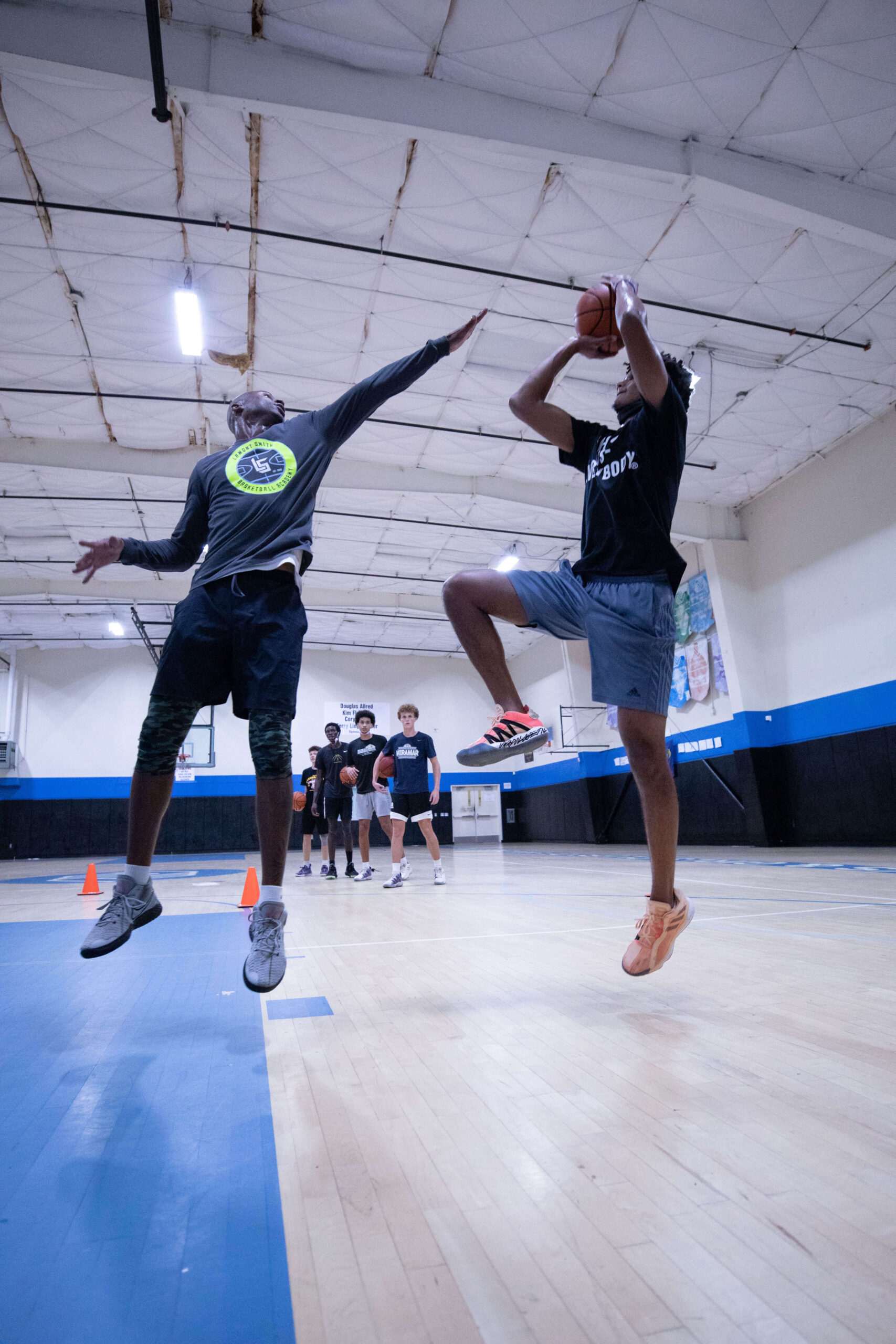
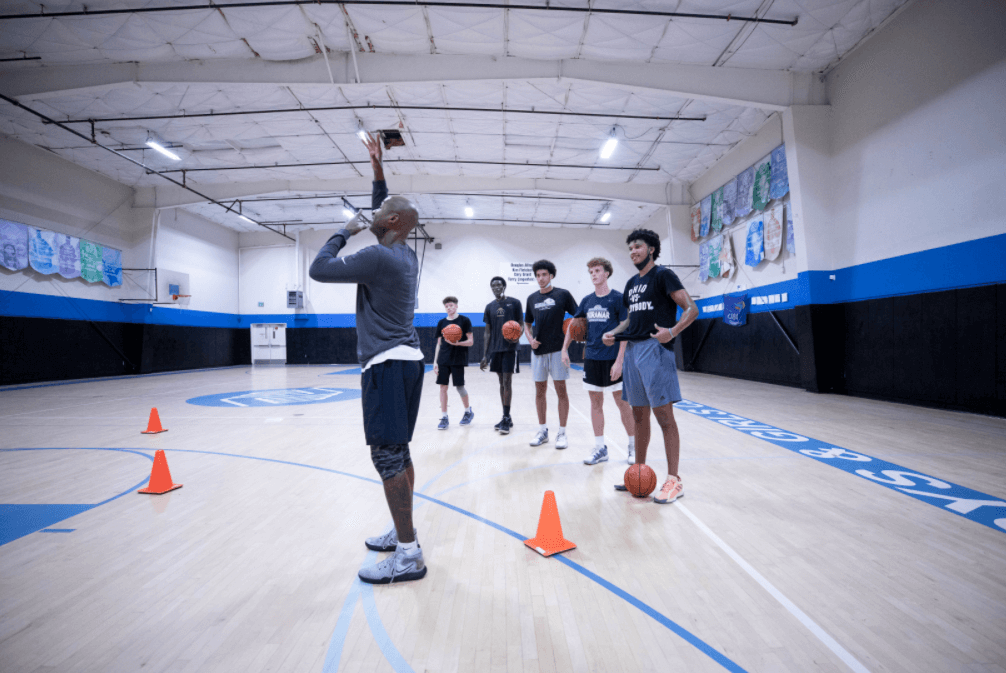
San Diego has always had a particular advantage when it comes to youth sports. The weather keeps gyms and outdoor courts active year-round, families tend to value healthy routines, and the region’s mix of neighborhoods creates a wide spectrum of playing styles and competitive environments. In that setting, basketball club teams have become more than a place to sharpen a crossover or chase weekend trophies. At their best, they teach discipline in a way that sticks, and they create growth that reaches far past the court.
Parents often start by looking for better competition. Players usually want more playing time, stronger coaching, or a path toward high school varsity and, in some cases, college recruitment. Those are real goals, and there is nothing wrong with them. But after spending time around well-run programs, a deeper pattern becomes obvious. The best Basketball Club Teams San Diego offers are not simply producing athletes who can score. They are helping young people learn how to manage time, handle pressure, accept correction, and keep working when progress feels slow.
That process matters because basketball reveals habits quickly. A player who cuts corners in conditioning struggles in the fourth quarter. A player who tunes out coaching repeats the same turnover three possessions later. A player who blames teammates after every mistake rarely becomes someone others trust. Club basketball puts those habits under a bright light, then gives players repeated chances to improve them. When the environment is healthy, that pressure becomes a powerful teacher.
More than extra games
People unfamiliar with club basketball sometimes reduce it to travel weekends and tournament brackets. That view misses the daily work that shapes players between games. A serious club team in San Diego usually asks for much more than attendance. It asks for consistency.
Practices tend to be faster, more detailed, and less forgiving than recreational leagues. Coaches stop drills to fix footwork, defensive angles, passing reads, or communication habits. The correction can feel repetitive to a young player, especially one used to relying on natural ability. Yet repetition is where discipline takes root. When an athlete hears the same message about closing out under control, landing balanced on a jump stop, or sprinting back in transition, the lesson eventually moves from external instruction to internal standard.
That shift is where growth begins. A player no longer performs the right action only because a coach is watching. He or she starts doing it because it is the correct way to play. The discipline becomes personal.
San Diego’s club scene adds another layer because the competition is deep enough to expose weak habits early. A player can dominate a local rec game with speed alone. Against disciplined club teams, especially in strong age groups, raw talent stops being enough. Teams rotate better, help sooner, box out harder, and punish careless possessions. That level of play sends a clear message to young athletes: fundamentals are not optional, and effort without structure has limits.
The discipline built through routine
Ask any experienced coach what separates developing players from stagnant ones, and the answer is rarely flashy. It usually comes back to routine. Club teams promote discipline by creating patterns that players must learn to respect.
A typical week can include team practice, skill sessions, strength work, school responsibilities, and family obligations. Tournament weekends may require early mornings, long drives, and several games in a short span. Players learn quickly that success depends on preparation long before tip-off. Sleep matters. Hydration matters. Packing the right gear matters. Finishing school assignments on time matters. Showing up ten minutes early matters.
These are small acts, but they compound. One of the most useful lessons club basketball teaches is that discipline is not dramatic. It is ordinary and repeated.
I have seen talented middle school players lose court time not because they lacked skill, but because they constantly arrived scattered. They forgot shoes, skipped warmups, or mentally drifted during walkthroughs. I have also seen less naturally gifted players carve out major roles because they were reliable in every detail. Coaches notice that difference immediately. Teammates do too.
The discipline of routine can be especially valuable in San Diego, where young athletes often juggle demanding schedules. Many are balancing academics, social lives, and participation in multiple activities. Club basketball forces choices. If a player wants real improvement, time has to be organized. That does not mean every athlete must specialize early or abandon all other interests. In fact, overtraining and burnout are real concerns. It does mean that players begin learning a mature truth: growth follows priorities.
Coaching that teaches accountability
Not every club program delivers this equally well. Some chase wins and exposure while neglecting teaching. The strong programs understand that accountability has to be clear, fair, and consistent.
When coaches hold players accountable the right way, discipline feels connected to development rather than punishment. A missed defensive assignment becomes a film session and a correction. Poor body language leads to a conversation about leadership. A lazy practice rep has consequences, but also context. The player understands why the standard exists.
That kind of coaching takes judgment. Young athletes do not all respond to the same tone. One player may need direct challenge. Another may need calm, specific instruction. Effective coaches adjust without lowering expectations. They know when to press and when to pull back.
This is where parents sometimes underestimate the value of club basketball. They focus on minutes played or tournament results, which is understandable, but the more important factor may be whether a child is learning to receive feedback. Many teenagers struggle with correction because most environments shield them from hard evaluation. Basketball does the opposite. It gives immediate feedback every day. Shots miss. Rotations break down. Effort shows, or it does not. In a good club setting, players learn that criticism is not personal. It is information.
That lesson pays off in school, work, and relationships later. The young athlete who can hear, process, and apply feedback without shutting down has an advantage that reaches far beyond sports.
Growth is not always linear
One reason club basketball can be so valuable is that it exposes players to uneven progress. Improvement is rarely smooth. A player may have a strong spring, struggle all summer, then suddenly look different by fall. Younger athletes often find that confusing. They assume hard work should produce quick, visible rewards.
It does not always work that way.
Skill development in basketball tends to come in layers. First a player learns a move. Then the player can perform it in drills. Then the player can use it in live play at moderate speed. Only later can that skill hold up under pressure against equal or better competition. The gap between those stages can be months long.
Club teams, especially experienced ones, help players stay committed through that frustrating middle period. Coaches reinforce process, not only results. A guard who is learning to make better reads out of pick-and-roll may turn the ball over more at first. A forward adding a face-up game may look awkward before the footwork becomes natural. If the coaching is strong, players are taught to expect that discomfort rather than fear it.
This is where discipline and growth intersect most clearly. Discipline keeps the player engaged while visible success is delayed. Growth eventually rewards the patience.
San Diego’s competitive landscape can sharpen this lesson. Because there are many capable teams and trainers in the area, players are constantly measuring themselves against peers. That can be motivating, but it can also distort perspective. A young athlete sees another player score twenty points and assumes development is only about being ahead right now. Strong club programs counter that mindset. They emphasize long-term progression, role understanding, and the value of becoming a complete player rather than just a flashy one.
The social side of maturity
Basketball is a team sport, and club teams create social pressure that can either stunt or accelerate maturity. The best programs use that pressure well.
A player learns quickly that talent does not excuse selfishness. If one teammate refuses to rotate on defense, the entire group pays for it. If another hunts shots and ignores the offense, trust erodes. If someone sulks after being subbed out, the bench energy drops. These are not abstract leadership lessons. They are immediate and visible.
Over time, club athletes learn to regulate themselves in a group. They discover when to speak up, when to listen, and how to respond after conflict. They experience the difference between being liked and being dependable. Those are sophisticated social skills, especially for adolescents.
I have watched teams transform over the course of a season simply because players began talking to each other with more honesty and less drama. Early in the year, every mistake drew eye rolls and blame. By late season, the same players were calling out coverages, picking each other up after bad possessions, and accepting tough coaching without fracturing. The basketball improved, of course, but the more important change was emotional. The group had learned how to function as a unit.
That kind of growth is especially meaningful in club settings because teammates often come from different schools, neighborhoods, and backgrounds. In San Diego, that diversity can be a strength. Players are not only learning the game, they are learning how to work with people whose experiences may not mirror their own. That expands perspective, and in the best cases, it builds respect.
Competition teaches honest self-assessment
There is a reason many families turn to Basketball Club Teams San Diego programs when a player has outgrown local recreational play. Club competition strips away easy illusions.
A scorer who looked unstoppable in one environment may discover that defenders at the next level are longer, quicker, and better prepared. A big who dominated smaller lineups may face opponents who are just as strong and far more skilled. A point guard praised for handling the ball may realize that decision-making under pressure is a separate skill altogether.
That can be humbling, but it is healthy. Honest self-assessment is one of the most valuable byproducts of club basketball. Players begin to understand what they do well, what still needs work, and what role best fits their current ability.
This matters because real growth usually starts after ego settles down. Once a player can admit, without shame, “my left hand is weak,” or “I lose focus on help-side defense,” improvement becomes much more efficient. Coaches can help more. Training becomes more targeted. Confidence becomes sturdier because it is based on truth rather than hype.
Of course, there is a trade-off. High-level competition can also discourage players if the environment is poorly managed. If every weekend feels like a verdict on a child’s worth, discipline turns into anxiety. Good clubs know how to push players without making them feel reduced to stat lines and rankings. They frame competition as feedback, not identity.
Parents play a bigger role than they think
Club teams shape players, but parents shape how players experience the team. This is often https://lukasghdo260.hexaforgey.com/posts/basketball-club-teams-san-diego-and-the-importance-of-consistent-practice the hidden variable.
A parent who treats every game as a referendum on minutes or points can undermine the discipline a coach is trying to build. So can a parent who rescues a child from every disappointment. Growth usually requires some frustration. It requires waiting, adjusting, and earning more responsibility. When adults interrupt that process too quickly, they send the message that discomfort is unfair rather than useful.
The healthiest parent approach tends to be steady and practical. Support the commitment. Respect the coaching unless there is a genuine ethical concern. Ask the child what they are learning, not only how much they scored. Notice habits, not just highlights.
Here are a few signs that a club experience is promoting the right kind of growth:
- The player becomes more organized with time and responsibilities.
- The player can describe specific skills or habits being developed.
- The player handles wins and losses with better emotional balance.
- The player shows more resilience after correction or limited playing time.
- The player is learning to contribute to a team, not just perform individually.
Those markers matter because growth in youth sports is easy to misread. A child may score less on a stronger club team and still be developing much faster than before. Another may play fewer minutes but become more coachable, more disciplined, and more prepared for future opportunities.
What separates strong programs from weak ones
San Diego has a wide range of club options, and not all of them are equal in mission or quality. Some are excellent teaching environments. Others are loosely organized collections of games, fees, and promises.
Families evaluating programs should look beyond branding. Start with the daily standards. Is practice structured? Do coaches teach, or mostly watch? Are players being corrected on details? Does the team communicate clearly about expectations? Is there a coherent development philosophy from one age group to the next?
Strong programs usually share a few traits, even if their styles differ:
- They value fundamentals as much as exposure.
- They communicate honestly about roles and development.
- They maintain consistent standards for effort and behavior.
- They create competitive environments without constant chaos.
- They treat improvement as a season-long process, not a sales pitch.
Weak programs often reveal themselves through shortcuts. They chase tournaments but neglect practice. They promise visibility before building skill. They rely on one or two dominant players while everyone else stagnates. They confuse volume of games with quality of development.
That distinction matters because discipline does not grow in disorder. Players need an environment where expectations are stable enough to trust and demanding enough to matter.
When basketball carries lessons into adult life
The strongest case for club basketball is not that it produces college athletes, though for some players it certainly can help open that door. The stronger case is that it teaches habits that remain useful long after competitive basketball ends.
Discipline learned through sport often looks simple from the outside. Arrive prepared. Listen carefully. Compete with purpose. Recover after mistakes. Work when no one is praising you. Those habits transfer remarkably well. Students apply them to demanding coursework. Young adults apply them to jobs, internships, and leadership roles. Even personal relationships benefit from the ability to communicate, stay accountable, and manage emotions under stress.
That is why the best Basketball Club Teams San Diego families seek out are not merely talent pipelines. They are developmental environments. The scoreboard matters, but it is not the whole point. A season is successful not only when a team wins, but when players become more responsible, more resilient, and more aware of what real improvement requires.
For many young athletes, that lesson arrives gradually. At first they join because they love the game, or because a friend invited them, or because they want tougher competition. Months later, something changes. They start organizing their schoolwork around practice. They stop making excuses after poor performances. They begin to understand that confidence is built through preparation, not talk. That is growth, and it is hard-earned.
San Diego’s club basketball scene, when guided by capable coaches and grounded families, offers a strong setting for that transformation. The gyms, tournaments, and training sessions are only the visible surface. Underneath them is a more lasting education, one built on repetition, accountability, humility, and steady effort.
Not every player will become elite. Not every season will feel rewarding. Some teams will be a better fit than others, and some experiences will expose limitations as much as strengths. Even so, the value remains. Basketball has a way of showing young people exactly where they stand, then challenging them to get better without shortcuts.
That is a rare gift. And when a club team handles that responsibility well, discipline stops being a slogan and becomes a lived skill. Growth stops being something adults talk about and becomes something players can feel in their habits, their choices, and their character.
Lamont Smith Basketball Academy
888 Clairemont Mesa Blvd Suite T-2, San Diego, CA 92123
(619) 639-8778
FAQ About Basketball Club Teams San Diego
How can a player join an LSBA club team?
Players are evaluated during practices so the coaching staff can recommend an appropriate team and development level. Families should contact the academy to confirm current openings and evaluation details.
Are club teams available for newer basketball players?
Yes. LSBA describes multiple levels, including a developmental option for newer players as well as more competitive teams for athletes with prior club experience.
What do LSBA club team practices emphasize?
Practices emphasize basketball fundamentals, team defense, structure, communication, and player development. The specific focus may vary according to the team and experience level.
Do all LSBA teams travel?
Travel expectations vary by level. Some teams focus on local competition, while advanced teams may participate in tournaments elsewhere in Southern California or beyond. Families should confirm the current schedule before enrolling.