The Importance of Exposure Through Basketball Club Teams San Diego
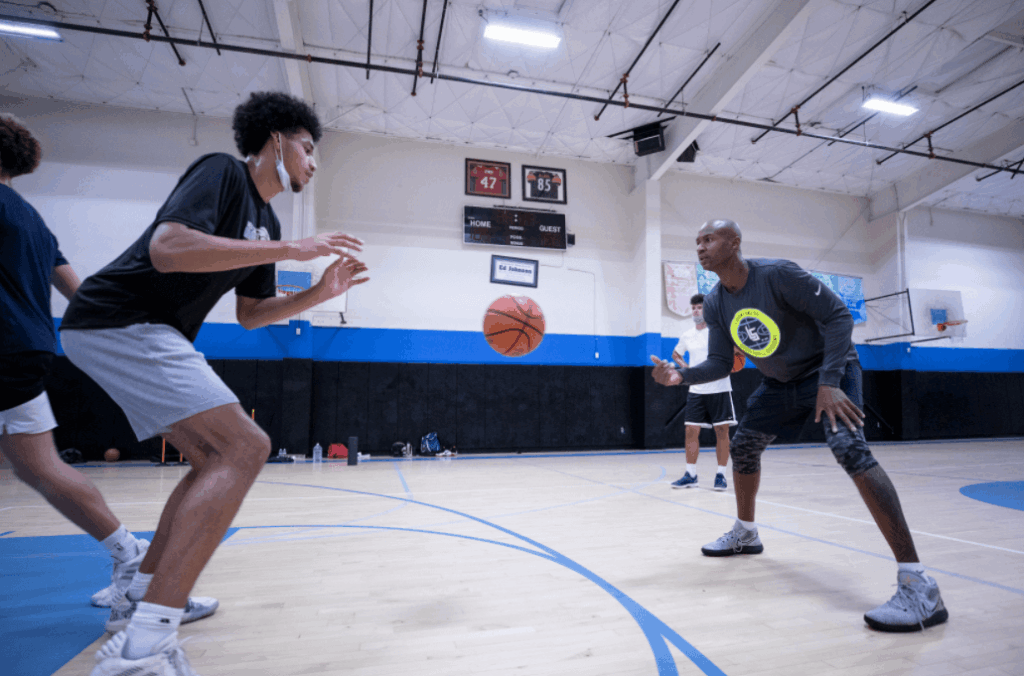
Talent gets noticed eventually, but not always early enough, and not always by the right people.
That is the hard truth many families learn when a young player dominates local recreation leagues, performs well in school games, and still struggles to attract meaningful attention from high school coaches, college programs, or skills trainers who can help move things forward. Basketball rewards production, but it also rewards visibility. A player can be improving every month and still remain largely invisible if that progress happens in the wrong gym, against the wrong level of competition, or outside the circuits where evaluators spend their time.
That is where club basketball changes the equation. For families looking at Basketball Club Teams San Diego, exposure is often one of the biggest reasons they make the commitment. Not because exposure guarantees offers or scholarship attention, but because it places a player in settings where development can actually be seen, measured, and compared.
The distinction matters. Exposure is not hype. It is not social media clips stitched together to make an average performance look special. Real exposure means competing in front of coaches, trainers, tournament organizers, and basketball people who understand context. They know whether a guard can handle pressure. They recognize if a forward rebounds outside of his area. They notice how a player reacts after two mistakes in a row. That kind of visibility carries far more weight than a stat line passed around by text message.
In a basketball-rich area like San Diego, club teams can serve as a bridge between raw potential and real opportunity. The region has quality players, committed families, and a growing network of events, but it is still competitive enough that good athletes can slip through the cracks. Exposure helps prevent that.
Why exposure means more than being seen
Many parents hear the word exposure and immediately think of recruitment. That can be part of it, especially for older players, but exposure starts much earlier and works on several levels at once.
For younger athletes, exposure often means being placed in better games. When a player enters a stronger competitive environment, the feedback becomes more honest. A guard who scores 25 points in a local league may discover that against a disciplined club defense, those same driving lanes vanish. A wing who looks athletic against average competition may realize she has to improve footwork, timing, and physicality to create the same impact. That realization is valuable. It identifies the gap between current success and future potential.
For middle school and early high school players, exposure also means seeing how they compare to peers outside their immediate circle. San Diego has pockets of strong basketball, but not every league offers the same standard from week to week. Club play brings wider comparison. A player may face opponents from North County one weekend, Orange County the next, then a travel event featuring teams from Arizona or Nevada. Patterns emerge quickly. Strengths become clearer. Weaknesses stop hiding.
For older players, exposure becomes more strategic. College coaches do not attend every school game. They cannot. Even local college staffs have limited time, and larger recruiting staffs work from tightly planned schedules. They go where they can evaluate many prospects efficiently. Club tournaments, live periods, and established showcase events create that efficiency. One weekend can offer dozens of prospects in a few adjacent courts. For a coach, that is practical. For a player, it is a rare chance to be part of the right traffic pattern.
That is why Basketball Club Teams San Diego matter beyond wins and losses. The right team can place a player inside ecosystems where decision-makers already are.
San Diego’s basketball landscape creates both opportunity and pressure
San Diego is an interesting basketball market. It has enough talent to be credible, enough population to sustain multiple clubs, and enough regional access to place teams within driving distance of major events. At the same time, it sits near larger recruiting magnets. Los Angeles, Orange County, Inland Empire, and Phoenix often pull a significant share of attention. A talented San Diego player who stays too insulated can be overlooked simply because other regions are louder, deeper, and more heavily trafficked by recruiters.
That does not mean San Diego players are at a disadvantage. It means they need better positioning.
I have seen players from this area make real jumps once they entered stronger club settings. One sophomore guard, skilled but lightly built, had a solid school season and a reputation among local coaches as a good shooter. On a club team, he was suddenly defending older, stronger guards every weekend. At first, he struggled to create space. By midsummer, his pace changed, his body language improved, and he started making simple, tough reads instead of hunting difficult shots. College attention did not come because someone posted a highlight reel. It came because coaches at events watched him adapt over several months and trusted the progress they saw.
That is what exposure often looks like in real life. It is less cinematic than people expect. It is a series of impressions, repeated over time, against credible competition.
San Diego also presents another challenge. Because there are many team options, families can mistake activity for advancement. Playing every weekend is not the same as being in front of the right audiences. Traveling constantly is not automatically productive. Exposure depends on fit, schedule quality, roster role, and coaching credibility. Some club experiences offer genuine pathways. Others mainly offer volume.
The best exposure happens when development comes first
This is the part families sometimes resist, especially when a player is ambitious and impatient. Exposure only helps if the player is ready to benefit from it.
A club team can put an athlete in excellent tournaments, but if that athlete cannot defend, process the game, or contribute without the ball, the exposure may only confirm current limitations. Coaches notice flaws quickly, particularly repeated ones. That does not mean players must be polished before joining a club team. Far from it. Club basketball is often where meaningful growth happens. It does mean that development and exposure must move together.
The strongest club programs understand this balance. They do not promise attention as if attention alone changes outcomes. They train habits that make attention worthwhile. Defensive stance, transition effort, shot selection, communication, weak-side awareness, screening angles, recovery footwork, decision-making under fatigue, these are the details evaluators trust. They are also the traits that travel well from event to event.
A player chasing exposure without addressing those details usually runs into a ceiling. A player who develops inside a competitive club environment often gains exposure almost as a byproduct. Coaches are drawn to players who affect winning in repeatable ways.
That is why a family should ask not only where a team plays, but how it teaches. Does the staff correct players during live action, or only after mistakes pile up? Do they build accountability? Do they value role clarity? Can they explain why a player is on the floor beyond scoring? Those answers often predict the quality of future exposure better than a flashy tournament flyer.
What coaches actually notice at events
Parents often focus on points because points are visible and easy to celebrate. Coaches look wider than that. They want to know whether production will hold up when the game gets faster and the margin for error shrinks.
At a typical event, a college coach may watch only parts of several games. That compressed viewing window changes what matters. If a player needs 20 possessions to reveal value, the opportunity may pass. If a player rebounds consistently, talks on defense, sprints the floor, makes the extra pass, and competes every trip, those traits show up immediately.
A few qualities tend to travel especially well in club settings:
- decision-making under pressure
- consistent defensive effort
- body language after mistakes
- willingness to play a role
- physical readiness for the level
The list looks simple, but that simplicity is exactly the point. Many players can flash skill. Fewer players can sustain useful habits when the pace rises and fatigue sets in. Exposure gives evaluators a chance to separate the two.
I remember watching a tournament game where one player finished with modest numbers, nothing that would grab attention on paper. Yet he was the most recruitable athlete on the floor. He made early outlet passes, rotated on time, absorbed contact, and never drifted mentally after a missed shot. Three different coaches stayed through the second half because his game made sense. That is exposure at work. The right people saw the right things because the environment allowed it.
Exposure builds more than recruiting value
Not every player on Basketball Club Teams San Diego is pursuing a college scholarship, and that should be said clearly. Club exposure has value even for players whose goals are more immediate, such as making a varsity roster, earning a larger school role, or simply understanding what the next level demands.
A player who spends spring and summer in stronger events often returns to school basketball sharper, more confident, and more realistic. That realism matters. It can be encouraging or humbling, but either response is useful if handled well. Some athletes come back knowing they can compete with top regional talent. Others realize they need a more reliable off hand, stronger conditioning, or a better pull-up game. Both outcomes can move a career forward.
Exposure also helps players learn the language of serious basketball. They hear coaches talk about spacing, tag responsibilities, nail help, pace, and reads out of ball screen action. They face opponents who punish lazy closeouts and casual passes. They begin to understand that talent alone does not control games. Timing, discipline, and adaptability matter just as much.
That education stays with them, whether or not recruiting enters the picture.
Families often undervalue another benefit, too. Exposure broadens relationships. Players meet trainers, coaches, tournament directors, and peers who shape future opportunities in ways no one can predict upfront. Sometimes that leads to camp invitations. Sometimes it leads to a stronger high school recommendation. Sometimes it simply gives a player access to better runs and better mentorship. Basketball careers often turn on these small connections.
The difference between good exposure and empty exposure
Not all exposure is useful. This is one of the biggest misunderstandings in the club space.
A team may advertise travel, packed schedules, and prestigious-sounding events, but if a player barely gets on the floor, plays out of position without context, or competes in tournaments where no relevant coaches are present, the practical value may be low. The family still pays. The calendar still fills up. The player may even feel busy and important. But busy is not the same as progressing.
Good exposure has a few defining characteristics. The competition level should stretch the player without burying confidence every weekend. The roster should make sense so the athlete can show actual strengths. The coaching should be organized enough that the team plays real basketball rather than chaotic isolation and transition gambling. And the event schedule should match the player’s stage. A younger athlete may benefit more from strong regional competition than from an expensive travel event with limited developmental return.
This is where judgment matters. More is not always better. Some players need fewer events and more training blocks. Some need to play up. Some need a team where they can handle the ball and learn through mistakes. Others need a role-based environment that teaches them how to complement talent around them.
I have seen players leave highly visible teams and improve their long-term prospects because they moved into situations where they could actually play, make decisions, and be coached. Exposure without opportunity can stall growth. Properly matched exposure accelerates it.
Choosing a club team in San Diego with exposure in mind
For families evaluating Basketball Club Teams San Diego, the smartest approach is to look beyond branding. Ask practical questions. Where does the team play? Which events do they return to year after year? What happens to players after a season in the program? Not every answer needs to involve scholarships or headlines. Reliable signs can be smaller and more meaningful, such as players improving roles at school, building better habits, or competing successfully against stronger regional opponents.
It also helps to watch how a team behaves between possessions. Do players know what they are trying to accomplish? Does the bench stay engaged? Are mistakes corrected with purpose? Is there structure late in close games? Exposure increases when a team is respected, and teams earn respect through organization as much as talent.
A family should also think honestly about the player. Is the athlete mature enough for travel and tougher competition? Can he handle a reduced scoring role if the roster is stronger? Can she respond productively when weaknesses get exposed in public? Club basketball can be a powerful proving ground, but it is not emotionally easy for every player at every stage.
A few questions are worth asking before committing:
- What role is realistic for my child on this roster?
- Which events on the schedule actually fit that role and stage?
- How does the coaching staff communicate about development?
- What kind of competition will my child face most weekends?
- How is playing time generally earned?
Those questions cut through sales language. They shift the conversation from image to substance.
Exposure teaches resilience, and that matters later
One reason club basketball has lasting value is that exposure brings pressure. Players are watched. They are compared. They fail in front of strangers. They have to perform on tired legs after early mornings, long waits between games, and short turnarounds. For a motivated athlete, that can be uncomfortable in all the right ways.
This pressure often reveals character more clearly than a dominant school game against a familiar opponent. How does the player respond after a poor first half? Does he defend harder when shots stop falling? Does she remain coachable after losing minutes to another athlete? Can the player contribute when a game plan removes the preferred scoring option?
Those are not side questions. They are central to advancement. High school coaches care about them. College coaches care about https://www.instagram.com/coachmontysmith/ them even more. Exposure through club basketball gives athletes repeated chances to answer.
I have watched players transform because of this environment. Not overnight, and not always smoothly. One forward I remember started club season frustrated every other weekend. He wanted touches, forced bad drives, and wore every mistake on his face. By late summer he was screening harder, crashing the glass, and embracing the dirty work because he finally understood what translated. That shift probably mattered more than any single stat line he posted. Exposure had shown him where his value truly lived.
For many players, visibility changes belief
There is also a psychological component to exposure that families rarely discuss enough. When young athletes compete outside their immediate bubble and hold their own, belief changes. They stop wondering whether they belong and start preparing as if they do.
That belief can be earned only through real tests. Praise from friends, parents, or local admirers has limits. Competing against respected teams from outside San Diego and succeeding in stretches, defending strong players, making winning plays under pressure, those experiences give confidence substance. Players carry that back into workouts and school seasons. Training gets sharper because the goal becomes more concrete.
The reverse can also be useful. If a player is not yet ready, club exposure can clarify what must improve. Sometimes the biggest leap comes after a humbling weekend. The athlete returns home with a better understanding of pace, strength, or skill gaps. Done properly, that kind of reality check is not discouraging. It is directional.
And that may be the strongest argument for club exposure overall. It provides direction. Not guesswork, not inflated praise, not vague hope. Direction.
What families should remember as they weigh the investment
Club basketball asks a lot from families. Time, money, travel, scheduling compromises, physical wear, emotional ups and downs, all of it is real. That is why the conversation around exposure needs to stay grounded. Exposure is important, but it is not magic. The right club experience opens doors only if the player grows enough to walk through them.
Still, when families choose well, the payoff can be substantial. A player gets harder games, better context, more honest evaluation, richer coaching, stronger relationships, and access to basketball spaces that are difficult to enter alone. For athletes in this region, Basketball Club Teams San Diego can provide a crucial bridge between local success and broader opportunity.
That bridge matters because basketball careers rarely move forward on talent alone. They move through repetition, adjustment, competition, and visibility. A player needs people to see the game, not just hear about it. Needs chances to fail at a higher level and improve there. Needs environments that reveal what is real.
Exposure, at its best, does exactly that. It turns potential into something other people can evaluate, trust, and eventually invest in. For many San Diego players, that is the step that changes everything.
Lamont Smith Basketball Academy
888 Clairemont Mesa Blvd Suite T-2, San Diego, CA 92123
(619) 639-8778
FAQ About Basketball Club Teams San Diego
How can a player join an LSBA club team?
Players are evaluated during practices so the coaching staff can recommend an appropriate team and development level. Families should contact the academy to confirm current openings and evaluation details.
Are club teams available for newer basketball players?
Yes. LSBA describes multiple levels, including a developmental option for newer players as well as more competitive teams for athletes with prior club experience.
What do LSBA club team practices emphasize?
Practices emphasize basketball fundamentals, team defense, structure, communication, and player development. The specific focus may vary according to the team and experience level.
Do all LSBA teams travel?
Travel expectations vary by level. Some teams focus on local competition, while advanced teams may participate in tournaments elsewhere in Southern California or beyond. Families should confirm the current schedule before enrolling.