The Role of Family Support in Basketball Club Teams San Diego
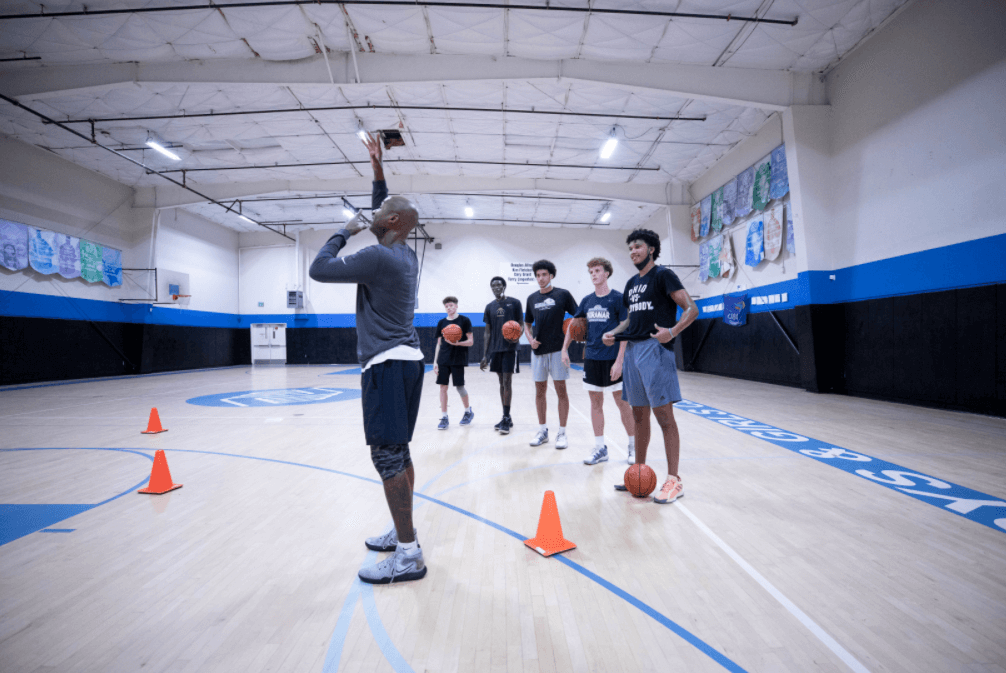
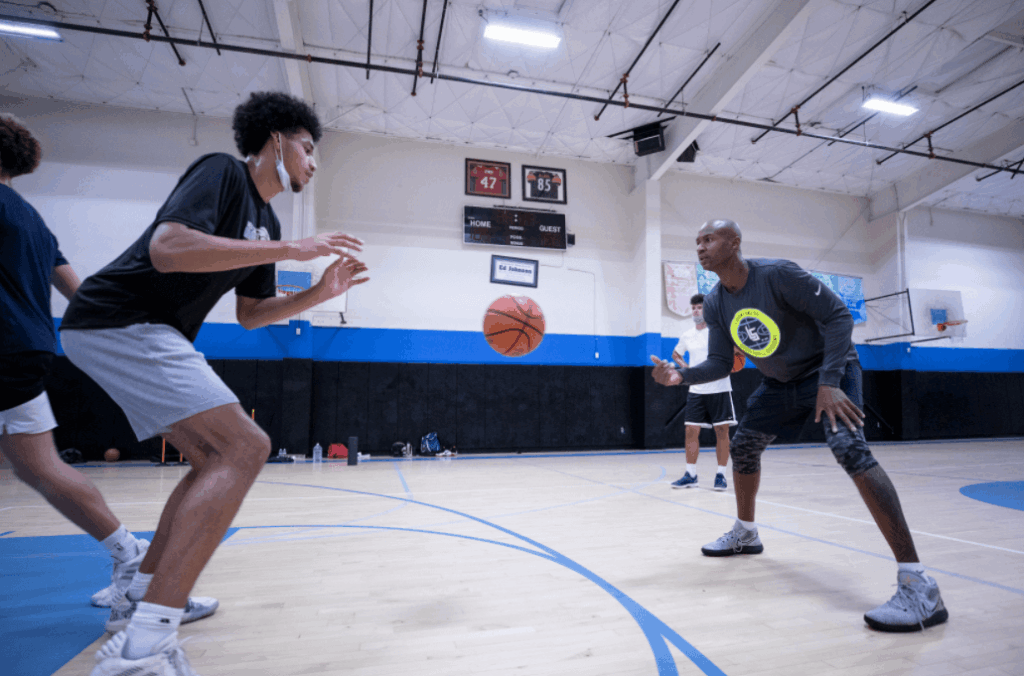
Youth basketball is often described through what happens on the court, the pace of the game, the quality of coaching, the growth in skill, the thrill of close finishes. What gets less attention, but shapes nearly everything, is what happens off the court. In club basketball, especially in a competitive market like San Diego, family support is not a side note. It is part of the infrastructure.
Anyone who has spent time around basketball club teams San Diego knows the rhythm. Practices start after school when traffic is heavy. Weekend tournaments can take over an entire Saturday and Sunday. Uniforms need to be washed, fees paid, carpools coordinated, meals figured out, schoolwork protected, moods managed. For younger players, that support is obvious. For high school athletes who look independent, it is still there, just less visible. A parent waits in the parking lot, a grandparent sends encouragement after a rough game, an older sibling rebounds in a driveway workout. None of that shows up in a box score, but all of it matters.
The strongest club experiences usually grow from a healthy triangle, player, coach, family. When one point weakens, the whole structure feels unstable. When the relationship is handled well, athletes tend to stay more consistent, more coachable, and more resilient across a long season.
Why club basketball asks more from families than recreational leagues
Club basketball is different from a local rec season in both intensity and commitment. The calendar is longer. Travel can be regional or, for some teams, out of state. Expectations for attendance are higher. Competition is more layered, and so is pressure. A player is not just learning how to dribble against defensive pressure or rotate on help side. That player is also learning how to manage disappointment, respond to role changes, and balance sport with school and social life.
Families absorb much of that complexity. In San Diego, geography alone changes the equation. A family in Chula Vista may practice one night in the South Bay and play games the next weekend in Carlsbad. A player in North County may commute to a club because the coaching fit is better, even if the gym is farther away. Add rush hour traffic on the 5, the 805, or the 15, and support becomes a practical issue, not an abstract one.
There is also a financial reality. Club basketball can involve dues, tournament fees, shoes, travel costs, training sessions, and time away from work. Not every family experiences those demands equally. Some can absorb them without strain. Others make real sacrifices. Coaches who have been around long enough know that commitment should never be measured only by visibility or volume. A family may not attend every game, yet still be deeply invested. A parent working weekends may support the player by making sure nutrition is handled, grades stay up, and the monthly payment gets made on time. Support takes different forms.
Emotional stability starts at home
The most immediate impact of family support is emotional. Young athletes are remarkably perceptive. They can tell when the adults around them are grounded and when they are anxious. They know when a car ride home is safe and when it feels like a postgame performance review. They notice whether basketball is becoming a source of joy and challenge, or a source of tension.
In competitive club settings, players hit rough patches. Minutes fluctuate. Shots stop falling. Growth spurts affect coordination. A stronger roster may push a player from featured scorer to role player. This is where family support becomes either a stabilizer or a stress amplifier.
The best support does not mean constant praise. It means perspective. It means helping a player understand that one poor weekend does not erase months of development. It means separating identity from performance. I have seen players recover quickly from a difficult tournament because someone at home kept the message simple: keep working, listen to your coach, and be ready next week. I have also seen talented players spiral because every missed shot turned into a household event.
That emotional stability becomes even more important in middle school and early high school, when self-confidence can swing hard from week to week. In basketball club teams San Diego, where strong competition is common and exposure talk starts early, kids can feel like every game carries long-term consequences. Families help lower the temperature. They remind the athlete that development is not linear and that toughness is built over months and years, not over one Saturday bracket.
Practical support is often what keeps a player in the game
There is a romantic version of sports that focuses on grit alone, as if motivation can overcome every obstacle. Real life is more complicated. Plenty of capable players drift away from club basketball not because they lack talent or discipline, but because the logistics become too hard to sustain.
Practical support includes transportation, scheduling, meal planning, sleep routines, injury follow-through, and communication with coaches. These are not glamorous jobs, but they are foundational. A player who gets to practice late and stressed three nights a week is at a disadvantage before the first drill begins. A https://anotepad.com/notes/f48c8i8p player who regularly skips recovery, arrives underfed, or loses sleep because the weekly schedule is chaotic will struggle to perform consistently.
San Diego families often become expert organizers without calling it that. They learn which tournament sites require leaving an hour earlier than the map suggests. They keep extra water, tape, snacks, and a backup jersey in the car. They figure out how to stack school obligations around travel weekends. They know that a teenager may say, “I’m fine,” after rolling an ankle, while limping all evening at home.
When families handle the practical side well, players feel secure. They can spend more mental energy on decision-making, learning systems, and competing with confidence. That is one reason stable support often correlates with visible development, even when natural talent levels vary.
The ride home matters more than many parents realize
Postgame conversations can shape a player’s long-term relationship with basketball. Few moments are more loaded than the drive home after a game. The athlete is still processing mistakes, emotions, and team dynamics. A parent may be carrying strong feelings too, especially after a close loss or a game in which the player had limited minutes.
In those moments, support works best when it is measured. Many athletes do not want technical feedback the second they leave the gym, particularly from someone who is emotionally invested. They may need quiet. They may need food and a few minutes to decompress. If they do want to talk, they usually benefit more from open questions than from immediate correction.
A simple approach helps:
- Ask if they want to talk now or later.
- Lead with effort, body language, or resilience before discussing performance.
- Avoid criticizing coaches, teammates, or officials in the heat of emotion.
- Keep the focus on controllable habits, not just points scored.
- Let one game stay one game.
That kind of discipline from adults is harder than it sounds. Many parents care deeply and want to help. The challenge is that helpful intent can still land as pressure. Over time, players start to associate competition not only with the game itself, but with the emotional aftermath at home. Families who keep the postgame space calm often raise athletes who bounce back faster.
Support does not mean interference
One of the most important distinctions in club sports is the difference between support and control. Support creates conditions for growth. Control tries to direct every outcome. The first builds self-reliance. The second often weakens it.
In basketball club teams San Diego, where some programs are highly competitive and recruiting conversations can enter the picture, it is easy for adults to drift into overmanagement. A parent may contact coaches too often about minutes, compare rosters across clubs, pressure a child to specialize too early, or treat every event as a referendum on future scholarships. This usually backfires.
Players need advocacy in certain situations, especially when communication breaks down or behavior crosses a line. But they also need room to own their experience. A middle school player can learn to speak with a coach about role expectations. A high school athlete should gradually get comfortable asking direct questions, receiving feedback, and adjusting. Families can prepare them for those conversations without taking them over.
Good clubs appreciate engaged families. They do not thrive with sideline coaching, public criticism, or constant second-guessing. The healthiest environments are built when parents trust the coaching process enough to let instruction come from the bench and encouragement come from home.
What coaches notice about supported players
Coaches are often careful not to judge family situations too quickly, and good coaches understand that every household has different pressures. Still, patterns become obvious over time. Players with steady family support tend to show up better prepared, not necessarily more talented, but more ready to improve.
That readiness often shows in subtle ways. They communicate absences early. They recover from mistakes without carrying them into the next possession. They bring the right gear. They can accept coaching without hearing it as rejection. They are less likely to melt down over temporary setbacks because someone in their life has taught them how to frame adversity.
Coaches also notice when support is too intense. A gifted player may play tight because the family’s emotional investment feels overwhelming. Another may resist coaching because every adjustment at practice gets debated at home. In those cases, the issue is not commitment. It is misalignment.
Strong clubs usually work to educate families on expectations, communication channels, and developmental priorities. That is not just administrative housekeeping. It is performance management. When families understand what the season is trying to accomplish, they are more likely to reinforce the right things.
The sibling effect and the wider family circle
Family support is often described as parental support, but the picture is broader. Siblings, grandparents, aunts, uncles, and even close family friends can become essential parts of a player’s ecosystem.
An older sibling can normalize adversity in a way adults sometimes cannot. If a brother or sister has already been through club sports, they can tell a younger player that role changes happen, confidence dips pass, and one rough tournament is not the end of anything. Grandparents often provide emotional steadiness. They are less caught up in politics and more focused on presence. For some families, extended relatives help with pickup schedules, meals, or childcare for younger siblings while games are happening elsewhere.
This wider support network matters in a city as spread out as San Diego. Club participation affects the entire family schedule. If one child plays at a high level, siblings often spend weekends in gyms, homework gets done on folding chairs, and family dinners become late-night meals after freeway drives. When the household can distribute that load, the athlete experiences the season as manageable rather than disruptive.
When support is limited, clubs can make a real difference
Not every player has a strong support system at home. Some families are stretched by work, health issues, language barriers, transportation limits, or financial stress. Others care deeply but simply do not know how club basketball operates. That does not mean the player lacks potential or commitment. It means the club may need to close more gaps.
This is where organizational culture matters. Some programs communicate clearly and consistently enough that families can stay engaged even with tight schedules. Others create confusion through last-minute changes, vague fee structures, or mixed messages about expectations. The difference is significant.
Clubs that serve players well often do a few basic things consistently:
- They explain costs, calendars, and travel expectations early.
- They set respectful boundaries for parent-coach communication.
- They offer realistic guidance on development, not inflated promises.
- They create a team culture where players feel seen, even when home support varies.
- They connect families to practical resources when possible, such as carpools or payment plans.
These steps are not dramatic, but they can keep a player in the sport. In a region with diverse communities and very different household realities, access often depends on that kind of practical thoughtfulness.
Financial support and the uncomfortable truth about access
It is impossible to discuss family support in club basketball without discussing money. Club sports can create great opportunities, but they also create barriers. In San Diego, where the cost of living is already high, many families have to make hard decisions about what they can sustain over a full year.
That financial pressure can affect athlete development in indirect ways. A player may skip extra training, turn down a travel event, or stay with a club that is not the right fit because switching would add new startup costs. Parents may carry stress they try not to show. Athletes often sense it anyway, and some begin to play with the feeling that they need to justify the expense every weekend.
Healthy family support in this area includes honesty. Older athletes, especially teenagers, can handle age-appropriate conversations about budget and priorities. In fact, transparency often reduces anxiety. It helps to say, “We can do this season, but we need to be smart about extras,” rather than pretending there are no limits and then expressing frustration later.
The best coaches I have seen handle this reality with humility. They do not assume every player can absorb the same costs. They understand that commitment looks different across households. They also know that a family making sacrifices deserves clear communication and honest value in return.
Academic support is part of basketball support
A club athlete’s family is not just helping produce a better basketball player. They are helping shape a young person whose responsibilities extend beyond the gym. School, sleep, nutrition, and time management are not separate from performance. They are part of performance.
This becomes obvious during heavy tournament stretches. A player who gets home late Sunday still has school Monday morning. Assignments pile up. Tests do not move because of showcase events. Families often become the system that keeps academics from slipping during competitive seasons.
The most effective approach is rarely harsh enforcement. It is structure. Consistent study windows, technology limits before bed, preplanned meals, and realistic expectations around downtime all help. For high school players with college aspirations, academic stability is not optional. No amount of exposure compensates for weak classroom habits.
San Diego families who navigate this well often learn to think one week ahead instead of one day at a time. That sounds simple, but it reduces chaos. When school responsibilities are anticipated before a tournament weekend, the player arrives at games more focused and less mentally cluttered.
Cultural values shape how support looks
San Diego’s basketball community includes families from many cultural backgrounds, and that influences how support is expressed. In some households, direct praise is rare but sacrifice is abundant. In others, verbal encouragement is constant. Some families value deference to coaches above all. Others expect more dialogue. None of these patterns automatically help or hurt an athlete. What matters is whether the player feels secure, respected, and clear about expectations.
Good clubs pay attention to this. They do not assume that one communication style reaches every family equally. A quick app message may work for some, while others need more explicit explanations. A family new to club basketball may not know standard etiquette around tournaments, playing time, or coach access. Treating that unfamiliarity as disinterest is a mistake.
Professionalism on the club side often shows up in these small acts of translation, not only language translation, though that can matter too, but cultural translation. It helps families become true partners in the developmental process.
What players remember years later
Ask former club athletes what mattered most, and many will mention a coach, a team, a big game, or a turning point season. If the conversation goes deeper, family support usually enters quickly. They remember who stayed up late after a long tournament drive. They remember who kept showing up when their confidence dipped. They remember who told them the truth without breaking their spirit.
Very few remember every stat line. They remember the feeling around the experience. Was basketball a source of growth or constant stress? Did the adults around them create room for mistakes? Did support feel conditional on performance, or steady regardless of outcome?
That is why family support is not just useful, it is formative. It influences whether athletes stay in the sport, whether they handle adversity well, and whether they build a healthy competitive identity. In basketball club teams San Diego, where the level of play can be strong and the demands substantial, that support often becomes the difference between a season that drains a player and one that helps them mature.
The strongest families are not perfect. They get frustrated, tired, and occasionally overinvested, like anyone else. What sets them apart is their ability to reset. They learn when to push and when to step back. They understand that development includes missed shots, difficult conversations, uneven growth, and long stretches where progress is felt more than seen.
A player may never fully grasp the scale of that support while they are in the middle of it. Years later, many do. They see that someone made dinner at 9:30 after a late practice. Someone paid attention when they said they were fine but clearly were not. Someone kept believing in the process when they were too young to understand it themselves.
That is the quiet engine behind a lot of successful club basketball. Talent matters. Coaching matters. Opportunity matters. Family support is what often allows all three to take root.
Lamont Smith Basketball Academy
888 Clairemont Mesa Blvd Suite T-2, San Diego, CA 92123
(619) 639-8778
FAQ About Basketball Club Teams San Diego
How can a player join an LSBA club team?
Players are evaluated during practices so the coaching staff can recommend an appropriate team and development level. Families should contact the academy to confirm current openings and evaluation details.
Are club teams available for newer basketball players?
Yes. LSBA describes multiple levels, including a developmental option for newer players as well as more competitive teams for athletes with prior club experience.
What do LSBA club team practices emphasize?
Practices emphasize basketball fundamentals, team defense, structure, communication, and player development. The specific focus may vary according to the team and experience level.
Do all LSBA teams travel?
Travel expectations vary by level. Some teams focus on local competition, while advanced teams may participate in tournaments elsewhere in Southern California or beyond. Families should confirm the current schedule before enrolling.